
GPT Image 2
Create polished images with gpt image 2. Use prompts, reference images, aspect ratios, and export formats for ads, product shots, social posts, and UI mockups.
✨ OpenAI image generation and editing model
GPT Image 2 Settings
0/5000
Supported: JPEG, PNG, WEBP (max 15MB, up to 4 images)
Generated Result
Reference Images
No reference images selected
Result
Generated image will appear here
Quick Templates






How to use GPT Image 2
Start with a clear goal, add references only when they improve control, then iterate in small steps. The model responds best when you explain what should change, what should stay fixed, and where the final image will be used.
What is GPT Image 2
This OpenAI image generation and editing model is designed for natural-language creative work. It can start from a prompt, use uploaded reference images, or combine both when you need a controlled image-to-image workflow. For creators comparing gpt image 2.0, openai image 2, or gpt image v2 options, the practical goal is the same: better prompt following, cleaner image details, and smoother edits without rebuilding the whole scene every time.
- Prompt-to-image creationDescribe a product scene, poster, character, interface, or campaign visual, then let the model build the composition from your instructions. Clear prompts help it align subject, style, camera angle, lighting, and layout in a single pass.
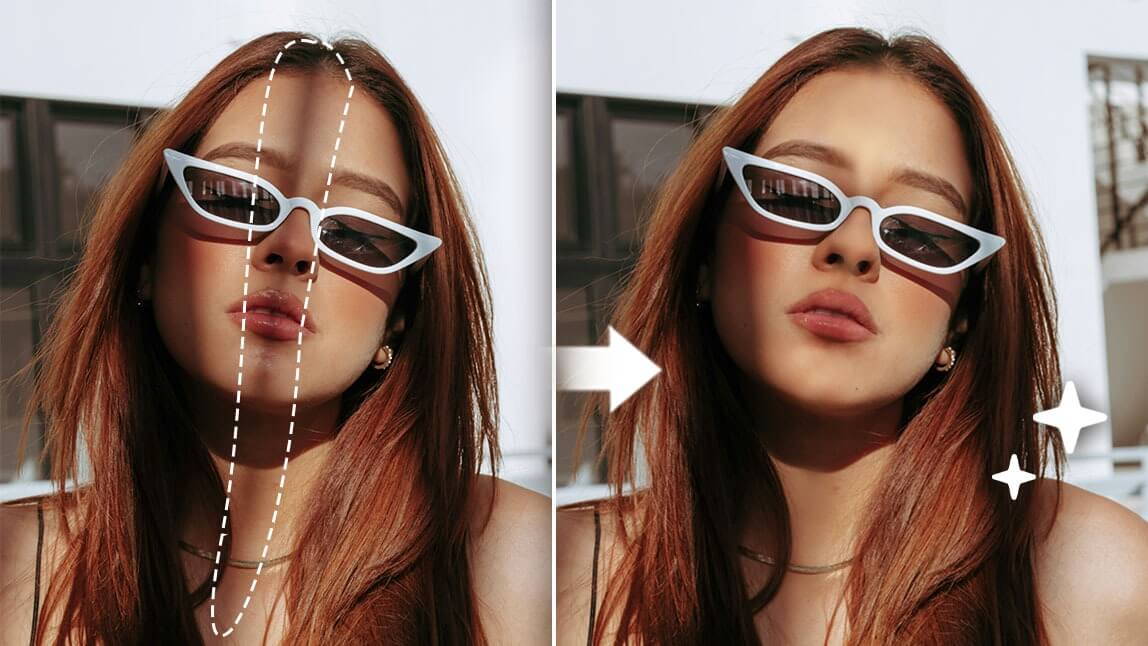
- Reference-guided editingUpload up to four reference images and ask for targeted changes such as replacing a background, adjusting a color, adding a prop, or refreshing an existing creative. The workflow stays practical when you need image edits that remain close to the source.
- Readable creative detailsUse gpt image 2 for visuals where labels, packaging, UI screens, poster headlines, or product details need more control. It is especially useful for teams testing openai image 2 style workflows before committing to final creative direction.
Why GPT Image 2
This page is built for creators who need usable results, not just interesting previews. It supports fast exploration, precise revisions, and production-minded output controls, so your image workflow can move from idea to deliverable with fewer prompt loops.
Stronger prompt alignment
Complex prompts often include subject, setting, style, mood, lens, lighting, and must-keep details. The model handles those constraints more directly, which makes it easier to create consistent visuals for campaigns, products, and editorial assets.
Text-to-image and image-to-image
Start from a blank prompt or add reference images when the existing look matters. This gives gpt image 2.0 style workflows enough flexibility for both fresh concepts and controlled updates to assets you already have.
Iterative natural-language edits
Instead of restarting the whole creative, ask for one change at a time: move an object, update the background, change the mood, or refine the product angle. gpt image 2 keeps revision cycles simple and easy to review.
Output controls for real channels
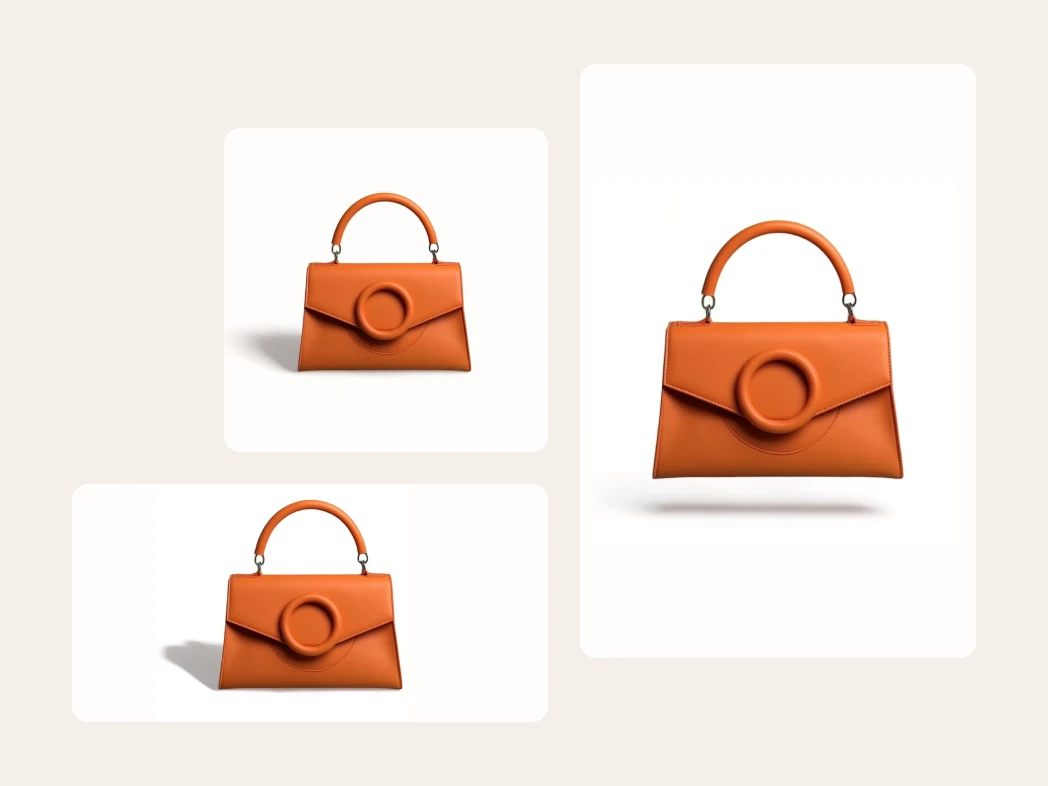
Choose aspect ratios and file formats that fit your destination, from square social creatives to widescreen banners. When users search for openai image 2 tools, this kind of practical control often matters as much as model quality.
Useful for marketing and product teams
Generate ad variations, landing page art, product lifestyle shots, launch graphics, blog images, and quick UI concepts. gpt image v2 workflows are strongest when teams need many polished directions before choosing one.
Fast concept testing
Explore multiple visual routes before spending time on final production. gpt image 2 can turn short creative briefs into concrete options, helping you compare composition, style, and message while the idea is still flexible.
Frequently Asked Questions about GPT Image 2
Quick answers about gpt image 2, gpt image 2.0, openai image 2, gpt image v2, and common image generation workflows.
What can gpt image 2 create?
gpt image 2 can generate new images from text prompts and edit uploaded reference images. Common uses include product visuals, ad concepts, social graphics, blog artwork, UI mockups, posters, character concepts, and image variations.
Is gpt image 2.0 the same as gpt image 2?
Many users use gpt image 2.0 as a search phrase for the newer GPT image workflow. In this page, gpt image 2 refers to the model-powered image generation and editing experience available through the tool.
Can I use reference images with gpt image 2?
Yes. You can upload reference images to guide edits, preserve a product or style, or give the model more visual context. Reference images are optional, so you can also create from text only.
What is openai image 2 used for?
openai image 2 is commonly used as a broad search term for OpenAI-style image generation, editing, and image-to-image workflows. Use it for fast ideation, creative variations, campaign mockups, and controlled revisions.
How is gpt image v2 different from older image tools?
gpt image v2 workflows focus on stronger instruction following, more practical editing, and easier iteration. Instead of relying on one perfect prompt, you can generate, review, and refine until the image matches the brief.
How do I get better results from gpt image 2?
Be specific, include the final use case, and separate must-have details from nice-to-have style notes. For edits, change one thing at a time and keep the prompt clear about what should remain unchanged.